July 2, 2026
Teaching children to read is one of the most rewarding parts of early education, and phonics plays a key role in this process. Phonics helps children understand the relationship between

Education is constantly evolving to meet the demands of a rapidly changing world. Traditional teaching methods often focus on individual subjects, but modern learning requires students to connect ideas across different fields. This is where STEAM education makes a significant difference.
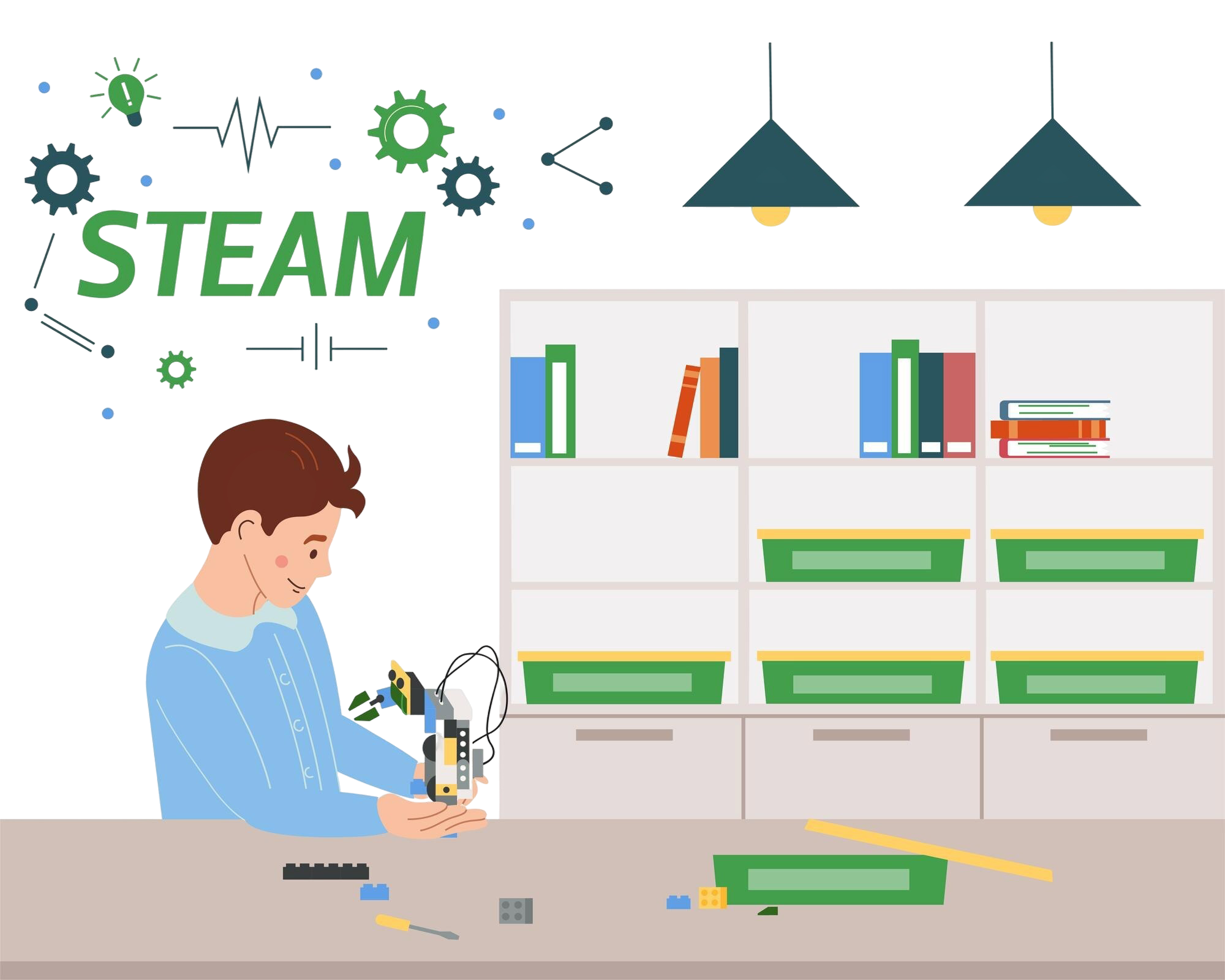
STEAM, which stands for Science, Technology, Engineering, Arts, and Mathematics, combines these subjects into one integrated learning approach. Rather than memorizing facts, students learn by exploring, experimenting, and solving real-world problems. This method helps them build practical skills that are valuable in school, higher education, and future careers.
The growing popularity of STEAM education reflects its ability to prepare students for the challenges of the modern workplace. From improving creativity to developing leadership skills, STEAM offers benefits that extend far beyond the classroom.
One of the greatest benefits of STEAM education is its ability to strengthen critical thinking skills. Instead of accepting information at face value, students learn to analyze situations, evaluate evidence, and make informed decisions.
STEAM projects often present learners with open-ended challenges that require careful planning and logical reasoning. Students explore different ideas, compare possible solutions, and refine their work based on feedback. This process develops independent thinkers who are better prepared to solve complex problems throughout their lives.
Critical thinking is valuable in every profession because it enables people to make smarter decisions and adapt to changing situations.
Creativity is one of the defining features of STEAM education. The inclusion of arts allows students to combine imagination with technical knowledge, creating innovative solutions to real-world challenges.
Instead of following a single method, students are encouraged to experiment with different ideas and approaches. Whether designing a new product, creating digital artwork, or developing a science project, creativity becomes an essential part of the learning process.
Innovation often begins with creative thinking. STEAM education helps students become confident in expressing original ideas while learning how to improve them through practice and collaboration.
Problem-solving is an essential life skill, and STEAM education provides countless opportunities to develop it. Classroom projects frequently involve challenges that require planning, testing, and continuous improvement.
Rather than giving students ready-made answers, teachers encourage them to explore possible solutions through research and experimentation. This helps learners understand that mistakes are part of the learning process and often lead to better outcomes.
Over time, students become more confident in tackling unfamiliar situations because they have experience breaking large problems into manageable steps.
Many students find traditional lectures less exciting because they mainly involve listening and memorization. STEAM education changes this by making learning interactive and hands-on.
Students actively participate in experiments, design challenges, coding activities, and creative projects. These experiences make lessons more enjoyable while helping learners understand complex concepts through practical application.
When students are actively involved in learning, they are more likely to stay motivated, ask questions, and develop a genuine interest in education.
Modern workplaces depend on teamwork, and STEAM education prepares students for this reality. Many classroom activities involve group projects where students work together to achieve shared goals.
Working with classmates teaches students how to communicate effectively, listen to different opinions, divide responsibilities, and resolve disagreements respectfully. These experiences build strong interpersonal skills that remain valuable throughout life.
Learning to collaborate also helps students appreciate diverse perspectives, leading to more creative and effective solutions.
Communication is an essential skill in both education and professional life. STEAM projects encourage students to explain their ideas, present research findings, and discuss solutions with teachers and classmates.
Presenting projects helps students build confidence in public speaking while improving their ability to organize and express ideas clearly. Written reports and digital presentations also strengthen communication skills that are useful in nearly every career.
Strong communication enables students to share knowledge effectively and work successfully in team environments.
STEAM education gives students the opportunity to apply what they learn in meaningful ways. Completing projects, solving challenges, and presenting ideas helps learners gain confidence in their abilities.
Instead of focusing only on grades, students experience the satisfaction of creating something valuable through their own efforts. Each successful project encourages them to take on more complex challenges in the future.
Confidence developed through hands-on learning often carries into other areas of life, including academics, leadership, and personal growth.
Technology is transforming industries around the world, creating demand for professionals with technical expertise and creative thinking. STEAM education prepares students by developing skills that employers value across many fields.
Students gain experience with problem-solving, digital tools, teamwork, innovation, and analytical thinking. These abilities are useful in careers such as engineering, software development, architecture, healthcare, robotics, artificial intelligence, environmental science, and product design.
Even careers outside science and technology increasingly require employees who can think creatively and adapt to change.
One of the long-term benefits of STEAM education is that it encourages curiosity. Students learn to ask questions, explore new ideas, and seek solutions independently rather than relying solely on textbooks.
Curiosity creates lifelong learners who continue developing their knowledge throughout adulthood. As industries evolve and technology advances, the willingness to learn becomes one of the most valuable personal qualities.
STEAM education helps students develop this mindset by making learning enjoyable and meaningful.
Technology has become an essential part of daily life, making digital literacy more important than ever. STEAM education introduces students to coding, digital design, research tools, and modern software that improve their technical skills.
Instead of simply using technology for entertainment, students learn how digital tools can solve problems, support creativity, and improve productivity.
These experiences prepare learners to navigate an increasingly digital world with confidence and responsibility.
The future job market is constantly changing as new technologies emerge. Many careers that exist today may evolve significantly over the next decade.
STEAM education helps students become adaptable by encouraging experimentation, flexibility, and continuous improvement. Learners become comfortable trying new ideas, adjusting their strategies, and learning from setbacks.
Adaptability allows students to succeed in changing environments where innovation and continuous learning are essential.
STEAM education does not replace traditional learning; instead, it strengthens it by making subjects more relevant and engaging. Students often gain a deeper understanding of scientific concepts and mathematical principles because they apply them in practical situations.
Project-based learning also improves knowledge retention, allowing students to remember concepts more effectively than through memorization alone.
As students become more interested in learning, they often show greater participation and improved academic performance.
One of the strongest advantages of STEAM education is its connection to everyday life. Students understand how classroom knowledge applies to solving practical problems in society.
Whether designing environmentally friendly products, building simple machines, or creating technology solutions, learners experience how education can improve communities and industries.
This real-world connection increases motivation because students recognize the purpose behind what they are learning.
The benefits of STEAM education extend far beyond academic achievement. By combining science, technology, engineering, arts, and mathematics, this innovative learning approach develops critical thinking, creativity, communication, collaboration, and problem-solving skills that students will use throughout their lives.
As the world continues to embrace technology and innovation, the importance of STEAM education will only continue to grow. Students who develop these future-ready skills are better prepared for higher education, successful careers, and lifelong learning. Investing in STEAM education today means preparing the next generation to solve tomorrow’s challenges with confidence, creativity, and knowledge.